
Category: Compare
Side-by-side technology verdicts that explain what wins, why it wins, and who should buy it.

Bluetooth 5.4 Explained: The Quiet Upgrade Behind Your Devices
What Bluetooth 5.4 actually adds over 5.3 and 5.2, how it improves everyday wireless accessories, and whether...
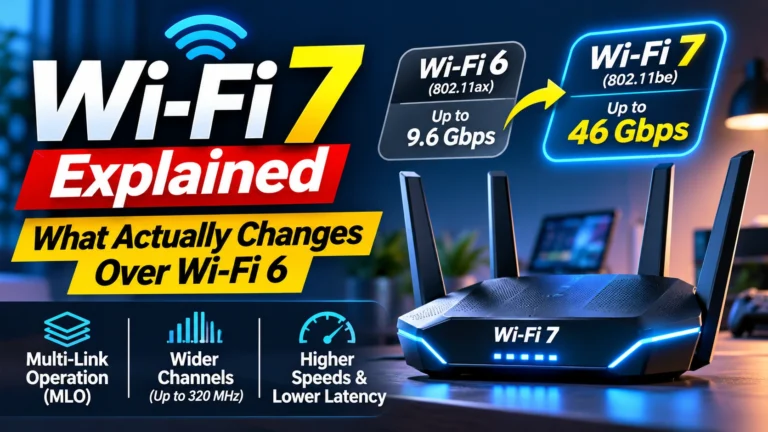
Wi-Fi 7 Explained: What Actually Changes Over Wi-Fi 6
What Wi-Fi 7 improves over Wi-Fi 6 and 6E, what Multi-Link Operation actually does, and whether upgrading...

What Is an f-Number? Aperture Explained for Phones and Cameras
How camera aperture size and f-numbers work, why a lower f-number means a wider opening, and how aperture...
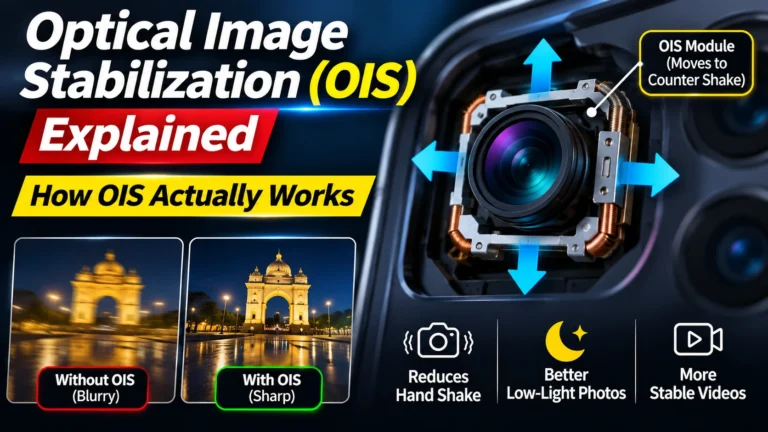
Optical Image Stabilization Explained: How OIS Actually Works
How optical image stabilization physically counteracts camera shake, how it differs from digital and...
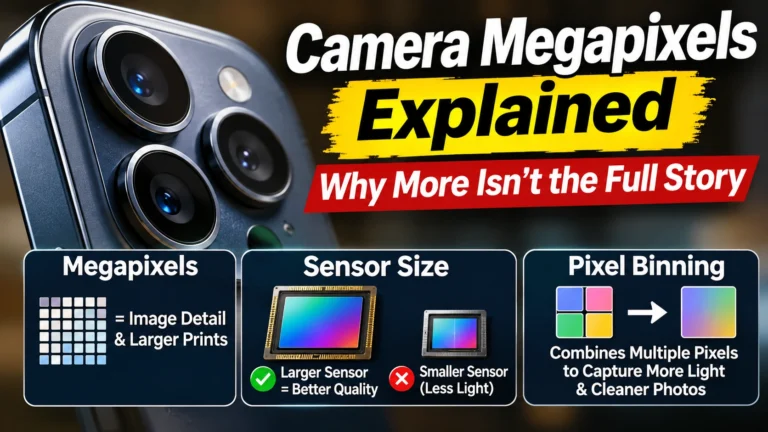
Camera Megapixels Explained: Why More Isn’t the Full Story
Why megapixel count alone doesn't determine photo quality, what sensor size and pixel binning actually...

UFS 4.0 Storage Explained: The Speed Behind Modern Phones
What UFS 4.0 storage improves over previous generations, why storage speed affects everyday phone use, and...

LPDDR5X RAM Explained: Why It Matters for Phone Performance
What LPDDR5X RAM actually improves over previous mobile memory generations, why it matters for multitasking...
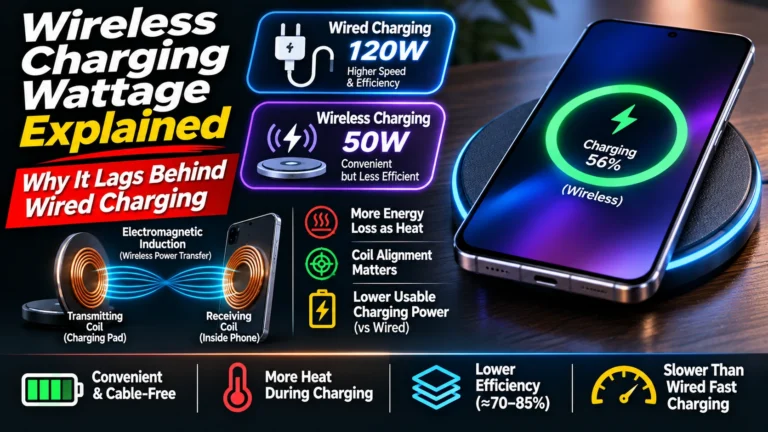
Wireless Charging Wattage Explained: Why It Lags Behind Wired
Why wireless charging wattage trails wired charging speeds, how Qi2 changes alignment and efficiency, and...
Fast Charging Wattage Explained: Why Higher Numbers Have Limits
How fast charging wattage actually works, why higher numbers show diminishing returns, and what heat and...
Battery Capacity (mAh) Explained: Why Bigger Doesn’t Always Win
What battery capacity in mAh actually measures, why it doesn't directly predict battery life, and what other...