AI Model Distillation Explained: Making Smaller Models Nearly as Smart
How AI model distillation transfers knowledge from a large model to a smaller one, why it matters for on-device AI, and what capability trade-offs remain.
AI model distillation is a training technique where a smaller, more computationally efficient “student” AI model is trained to replicate the behavior and capability of a larger, more powerful “teacher” model, allowing organizations to create considerably faster, cheaper-to-run AI models that retain a meaningful portion of the larger original model’s capability.
How the Teacher-Student Training Process Actually Works
In model distillation, the smaller student model is trained not just on the same original training data the larger teacher model learned from, but specifically on the teacher model’s own outputs and internal probability patterns, learning to mimic the teacher’s demonstrated reasoning and response patterns directly, an approach that’s generally proven more effective at transferring genuine capability than simply training a smaller model from scratch on the same raw training data alone.
Why Distillation Matters for Practical AI Deployment
Distilled models require considerably less computational power and memory to run compared with their larger teacher models, translating into meaningfully faster response times, lower operating costs for AI companies serving these models to millions of users, and importantly, making it practical to run capable AI models directly on smartphones, laptops, and other consumer devices with limited processing power, use cases where deploying the full, considerably larger teacher model simply wouldn’t be practical.
The Genuine Capability Trade-off Involved
Distilled models generally retain a meaningful but not complete portion of their larger teacher model’s full capability, meaning a distilled model typically performs somewhat less accurately on the most complex, nuanced tasks compared with its original teacher model, even while performing considerably better than a comparably-sized model trained independently without the benefit of distillation from a larger, more capable teacher, representing a genuine practical trade-off between capability and efficiency.
Why This Enables the "Small Model, Mini Model" Product Tiers
Model distillation is part of why many major AI companies now offer multiple different model size tiers, often labeled with names suggesting relative size like “mini” or “small” variants alongside their largest flagship models, giving users and developers a practical choice between the fastest, cheapest, distilled smaller models for simpler everyday tasks and the full, more capable but slower and more expensive flagship models for more complex, demanding tasks.
Distillation's Role in On-Device and Edge AI
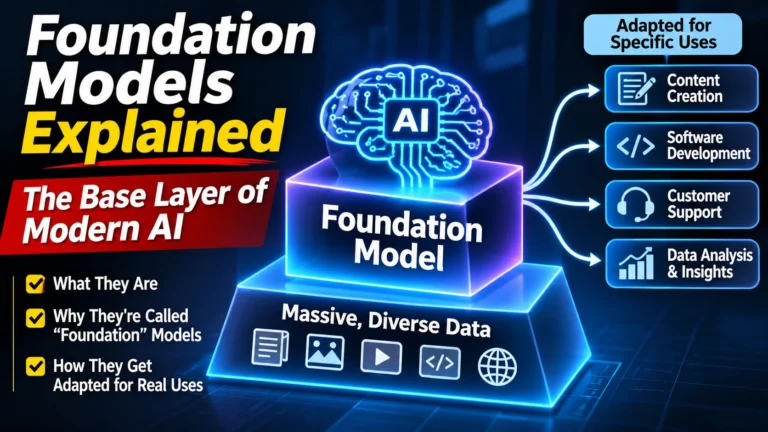
Model distillation has become particularly important for enabling on-device AI features that run directly on a smartphone or laptop’s own hardware rather than requiring a cloud connection, since distilled models’ meaningfully reduced computational and memory requirements make them practical to run within a mobile device’s power and processing constraints in a way that far larger, undistilled foundation models simply couldn’t achieve.
Bottom Line
AI model distillation trains a smaller, more efficient student model to replicate a larger teacher model’s behavior and capability, producing meaningfully faster and cheaper-to-run models that retain a substantial, though not complete, portion of the original model’s capability. This technique has become particularly important for enabling practical on-device AI features and for offering tiered model size options balancing capability against speed and cost.
Sources
- AI model distillation research documentation from major AI research organizations
- Independent technical analysis of distilled versus full-size model capability benchmarking
- On-device AI deployment technical documentation
- Industry analysis of tiered AI model size offerings from major AI companies