Prompt Injection Explained: The Security Threat Unique to AI

How prompt injection attacks work, why AI systems handling external content are especially vulnerable, and what defenses actually help.
Prompt injection is a security vulnerability specific to AI language models where malicious instructions are embedded within content the AI processes, such as a webpage, document, or email, attempting to manipulate the AI into ignoring its original instructions and instead following the injected malicious commands hidden within that external content.
How Prompt Injection Attacks Actually Work
Because AI language models process both their legitimate system instructions and any external content they’re asked to read or summarize as a similar stream of text input, a malicious actor can embed hidden instructions within that external content, such as a webpage, document, or email the AI is asked to process, attempting to trick the AI system into treating those embedded malicious instructions as legitimate commands to follow, rather than simply as content to be analyzed or summarized.
Why AI Assistants With Tool Access Face Greater Risk
Prompt injection risk becomes considerably more serious for AI systems that have been granted the ability to take real-world actions, such as browsing the web, sending emails, or accessing connected accounts and files, since a successful prompt injection attack against such a system could potentially manipulate the AI into taking genuinely harmful unauthorized actions, rather than merely producing an incorrect or inappropriate text response, which is why AI systems with expanded tool access generally require correspondingly more robust prompt injection defenses.
Common Defense Strategies AI Companies Employ
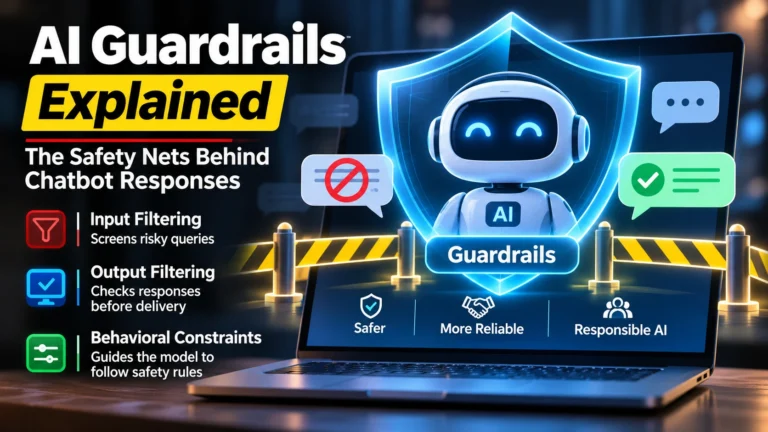
AI companies and developers building AI-powered applications generally employ multiple layered defense strategies against prompt injection, including clearly distinguishing between trusted system instructions and untrusted external content within how information is structured and presented to the model, training models specifically to recognize and resist embedded instructions found within content they’re merely supposed to analyze, and implementing additional monitoring and permission systems specifically around AI systems with access to sensitive real-world actions.
Why Prompt Injection Remains a Genuinely Difficult Problem
Despite meaningful ongoing defensive efforts, independent security researchers have consistently demonstrated that prompt injection remains a genuinely difficult security challenge to fully eliminate, since the fundamental characteristic that makes AI language models useful, their flexible ability to process and follow instructions expressed in natural language, is the very same characteristic that makes them susceptible to cleverly disguised malicious instructions embedded within content they’re processing.
What This Means for Everyday AI Assistant Use
For everyday users, prompt injection risk primarily matters when using AI assistants with expanded capabilities like web browsing, email access, or file system access, making it worth being aware that such systems carry genuine, actively-researched security considerations, and that responsible AI companies typically implement permission confirmations and monitoring specifically around higher-risk actions as an additional practical safeguard beyond the AI model’s own built-in resistance training.
Bottom Line
Prompt injection is a security vulnerability where malicious instructions embedded within external content attempt to manipulate an AI system into following unauthorized commands rather than simply processing that content as intended, a risk that becomes more serious for AI systems with access to real-world actions like browsing or email. Despite meaningful layered defenses, prompt injection remains a genuinely difficult, actively researched security challenge.
Sources
- Prompt injection security research documentation from AI security researchers
- Independent analysis of AI assistant tool access and expanded attack surface risk
- AI company documentation on prompt injection defense strategies
- Academic and industry research on AI system security vulnerabilities