On-Device AI Explained: Why Some AI Now Runs Without the Cloud
How on-device AI processes data locally for privacy and speed, what trade-offs it makes against cloud AI, and where it's becoming increasingly common.
On-device AI refers to AI processing that happens directly on a user’s own smartphone, laptop, or other local hardware, rather than sending data to remote cloud servers for processing, an approach that’s become increasingly practical and common as smaller, more efficient AI models and more capable mobile processors have both continued to develop.
Why On-Device Processing Offers Genuine Privacy Benefits
Processing AI tasks entirely on a user’s own device means potentially sensitive data, photos, messages, voice recordings, or other personal information, never needs to leave that device and travel to an external cloud server for processing, a genuinely meaningful privacy advantage for tasks involving sensitive personal information, compared with cloud AI processing, where data must be transmitted to and processed on a remote server, however securely that transmission and processing might otherwise be handled.
The Speed and Reliability Advantages of Local Processing
On-device AI processing also offers genuine speed advantages by eliminating the network transmission time otherwise required to send data to a cloud server and receive a response back, and importantly, on-device AI continues functioning even without an active internet connection, advantages that matter particularly for real-time applications like camera-based features, voice processing, and other AI capabilities where responsiveness and offline reliability genuinely matter to the user experience.
Why This Only Recently Became Practical at Meaningful Scale
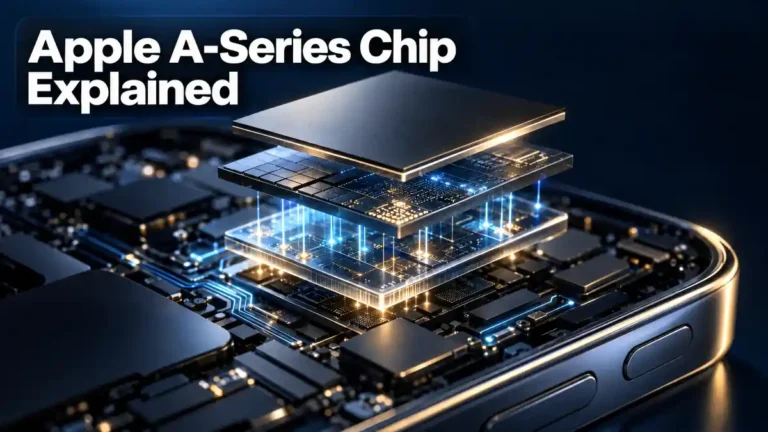
On-device AI’s recent practical growth has been enabled by the combination of AI model distillation techniques that create smaller, more efficient models retaining meaningful capability, and mobile processors increasingly including dedicated AI-accelerating hardware components called neural processing units (NPUs), a combination that’s made running genuinely useful AI capability within a smartphone’s power and processing constraints considerably more practical than it was in earlier device generations.
The Genuine Capability Trade-off Compared With Cloud AI
On-device AI models are generally meaningfully smaller and less capable than the largest, most advanced cloud-based AI models, which can leverage vastly more powerful server-grade computing infrastructure without being constrained by a mobile device’s power and thermal limitations, meaning on-device AI represents a genuine trade-off, prioritizing privacy, speed, and offline availability at some cost to raw maximum capability compared with what’s achievable through cloud AI processing.
Common Real-World On-Device AI Applications
On-device AI increasingly powers everyday smartphone features including camera scene detection and computational photography processing, on-device voice transcription and dictation, real-time language translation, and specific AI writing assistance features, applications where the combination of privacy, speed, and offline reliability advantages generally outweighs the trade-off of somewhat reduced capability compared with sending the same task to a more powerful cloud-based AI system.
Bottom Line
On-device AI processes data directly on a user’s own hardware rather than sending it to remote cloud servers, offering genuine privacy, speed, and offline reliability advantages enabled by model distillation techniques and increasingly capable mobile AI-accelerating hardware. This approach involves a real trade-off against cloud AI’s greater raw capability, making on-device AI particularly well suited to privacy-sensitive, real-time, or offline-capable everyday smartphone features.
Sources
- On-device AI processing technical documentation from mobile chip manufacturers
- Independent analysis of on-device versus cloud AI capability and privacy trade-offs
- Neural processing unit (NPU) technical documentation
- Industry analysis of on-device AI feature adoption in modern smartphones